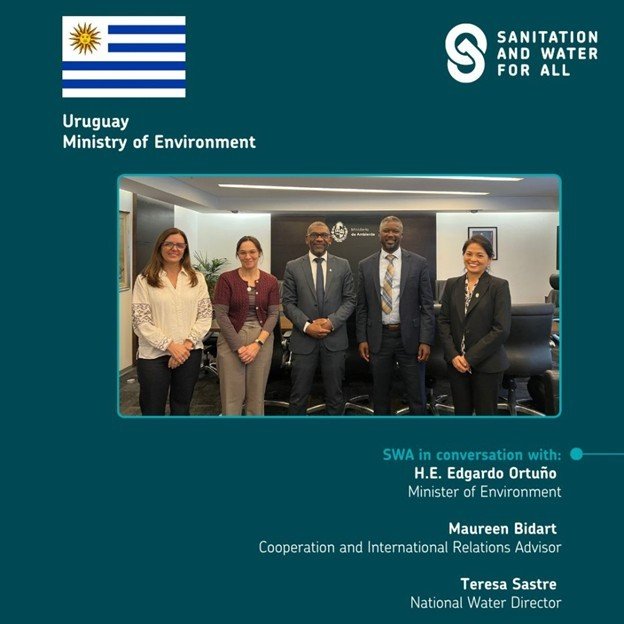
Uruguay
In 1952, the creation of Obras Sanitarias del Estado (OSE) strengthened the institutional foundations for delivering water and sanitation nationally. In 1981, the country's capital, Montevideo, began the first of what are now seven consecutive sanitation plans, allowing each period of investment to build on the last. And in 2004, Uruguayans voted to give access to drinking water and sanitation constitutional protection.
President Yamandú Orsi has placed water prominently among his government’s 63 commitments, including implementation of the National Water Plan, major investments to strengthen water security, and access to water and sanitation for new housing.
This is the kind of political leadership we seek to encourage through the Heads of State Initiatives. The objective is not simply to secure more statements from presidents and prime ministers about water and sanitation. High-level political attention should help unlock decisions, mobilize institutions and finance, address bottlenecks, and maintain regular focus on whether commitments are actually being implemented. For Uruguay, that conversation began when Minister of Environment Edgardo Ortuño took part in SWA’s 2025 Sector Ministers' Meeting in Madrid.